This is the longer story
behind the work.
The Beginning
I didn’t come into this work by accident.
Long before I trained as a therapist, I was already trying to understand what happens between people — how we reach, how we miss, how we protect ourselves, and how we try again. I grew up learning to read the room, soften tension, and translate what wasn’t being said. Those early lessons became the roots of how I sit with couples now: helping partners slow down enough to hear what lives underneath the surface, feel safer with one another, and find their way back when closeness feels far away.

Listening began at Home
My father shaped my eyes and ears more than any classroom.
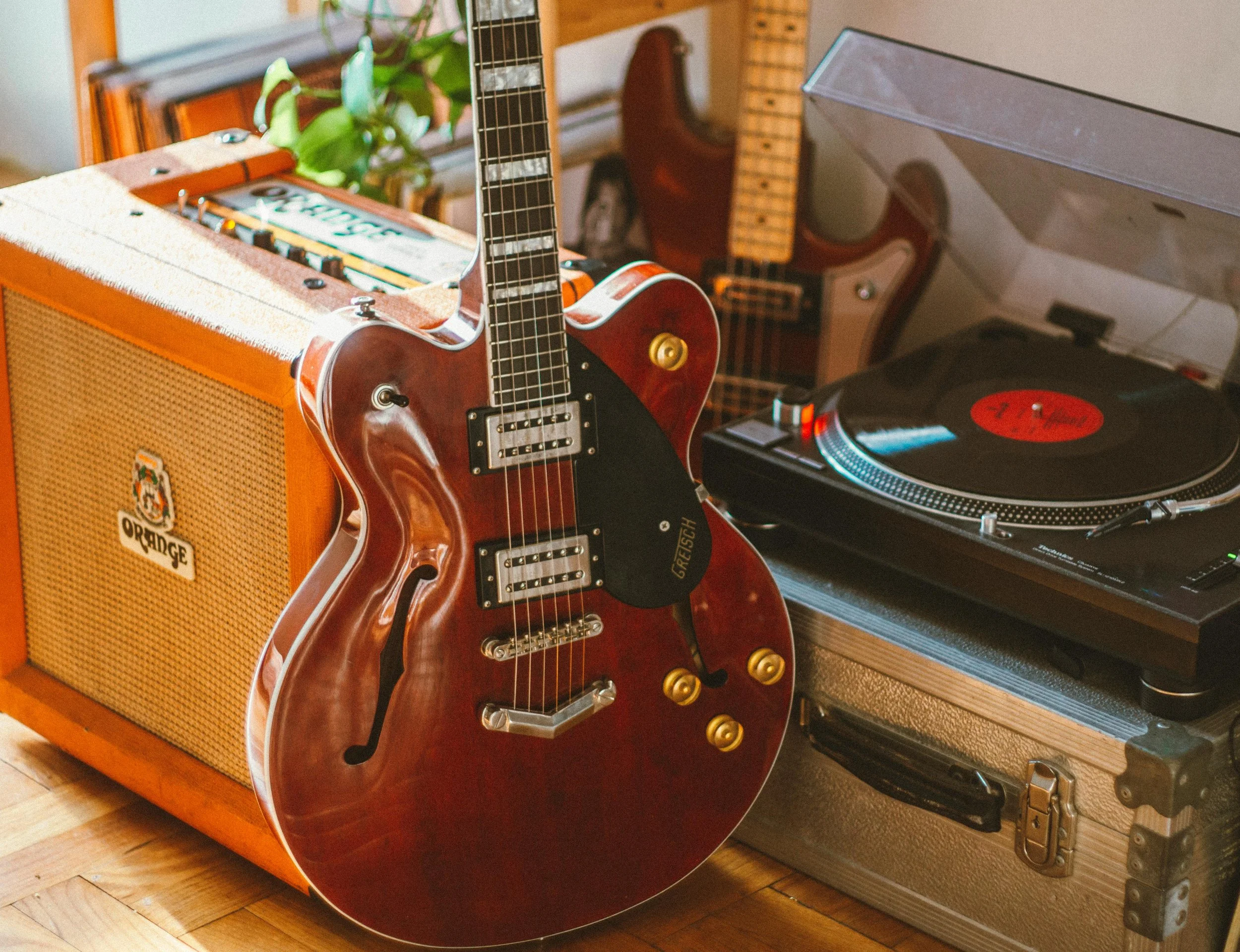
He was a man of quiet brilliance — warm, intuitive, steady in the way he listened. At home, that warmth could be fragile, but I wasn’t afraid of him. I admired his intelligence, his writing, his music. He taught me to play the piano, and I listened to the Beatles because he did — he played their songs with his own band.
My mother was quiet in her own way — soft-spoken, tender, and easily swallowed by the emotional weather in our home. She held so much inside that I sometimes forgot she had her own storms too. She had been hurt before — even by the person who first adored her. My father fell in love with her brilliance long before they married; he used to sit in her college classes just to watch her learn. But brilliance doesn’t protect you from someone’s pain. I didn’t understand it then, but I can see now how she lived between longing and restraint, doing her best to keep the peace without knowing how to name the cost. I carried pieces of both of them, finding ways to stay steady in a house that could both be loving and unpredictable.
Our home had two soundtracks — the music we played, and the unspoken things underneath it. I learned to hear both. Even as a child, I could sense when the air changed, when someone’s voice tightened, when something wasn’t safe. That sensitivity became the foundation of how I listen now — with my whole body, long before words arrive.
My sister was the one who said what no one else could. She carried the chaos out loud, and in many ways, she paid for it. My father’s anger often landed on her, and I learned what it meant to watch someone you love bear the cost of the family’s unspoken pain. I was the quiet one — listening, scanning, making sense of what couldn’t be said. That’s where my work began, really — in that gap between expression and understanding.
Watching her made me want to please both my parents more. I became the golden child — overtly empowered by praise while she was quietly disempowered by comparison. That dynamic taught me how love can become performance, and how approval can blur into survival.
It also set the course for my life. I wanted to understand us — the patterns, the silences, the roles we never chose but were shaped by. Studying psychology wasn’t an accident; it was the only way I knew to make sense of the family that raised me.
That curiosity didn’t stop with my own family. It sent me into a long, winding pursuit of understanding relationships — why we love the way we love, why we protect the way we protect, and how early wounds echo in the people we choose.
Practicing Presence Before I Had the Words for it
Before I ever entered the therapy room, I was already practicing presence.
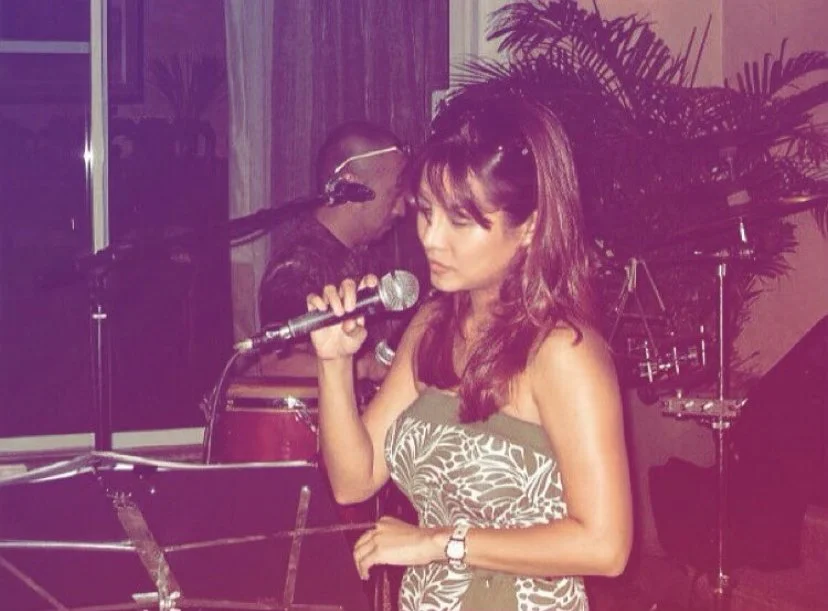
I sang and played piano from childhood, studied theater in high school, trained in a conservatory, and performed in Manila and later in New York City. The stage taught me breath, timing, embodiment, and how emotional truth reveals itself in the quietest pause.
And before all of that, there was music — the first way my family learned to be together.
A Family Scored by Music
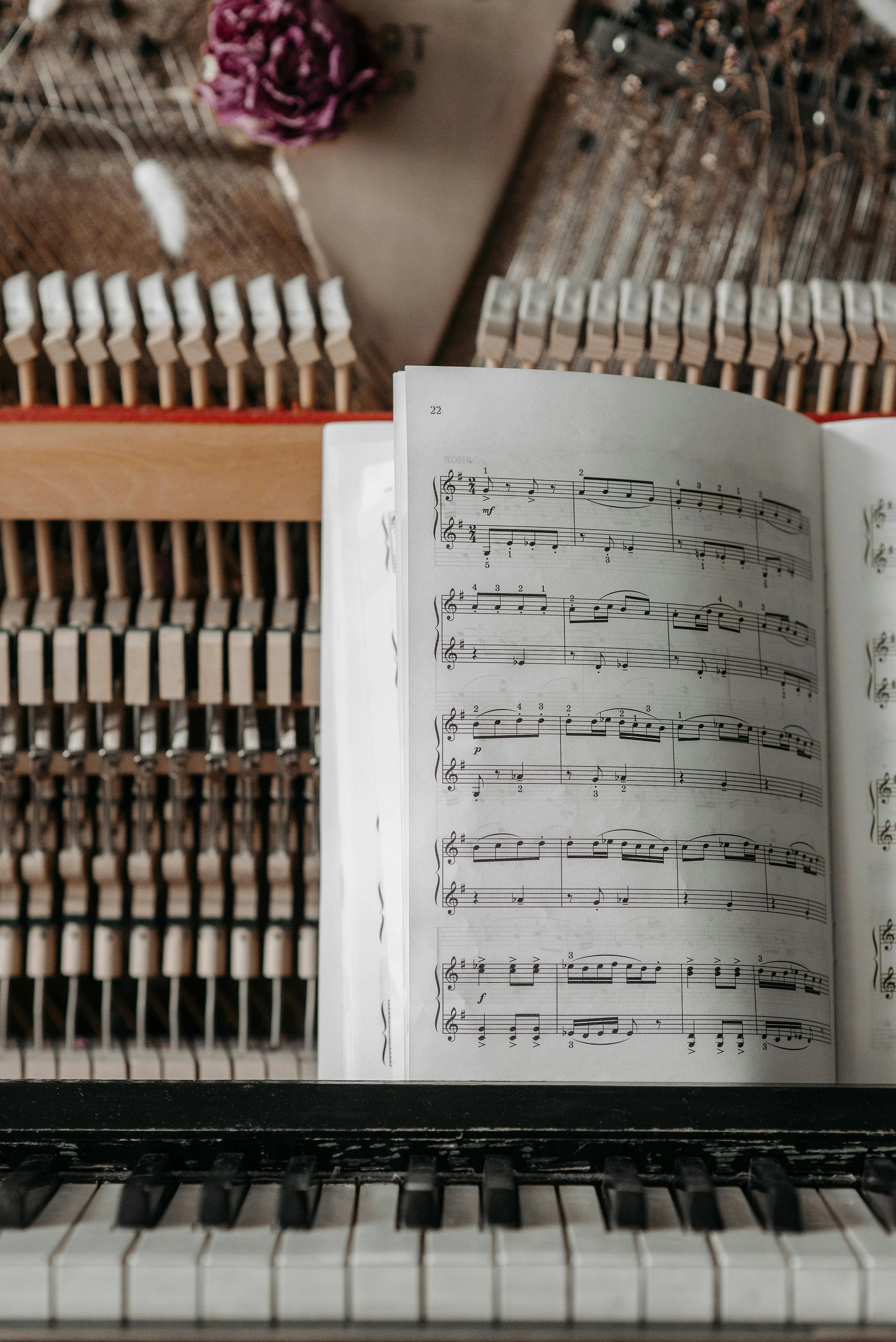
Music was our language.
Every Sunday, both sides of the family came together, and the living room turned into a rehearsal space — my father on keys or guitar, my uncles on drums, cousins harmonizing without being asked.
At home, we had a dedicated music room — guitars, a piano, keyboards, percussion, amps — always ready for whoever walked in. And when there were more of us playing, or when neighbors wandered over to listen, we’d spill into the garage and turn it into a second rehearsal space. The music just needed room, and we made it.
Music held us when words didn’t. It was how we celebrated, how we coped, how we stayed connected even when tension ran underneath.
Building a Practice — and the Cost of Leaving
Before New York, I built my first practice in the Philippines — Kid Whisperer, a play therapy clinic for children.
I envisioned the space and directed its design, partnering with my daughter’s aunt, who brought the architecture to life. Together, we built a room where imagination could heal.
But immigration reshaped everything. Leaving meant stepping away from the practice I built — and, most painfully, from my daughter, who was eighteen.
She’s grown now — in her thirties, brilliant in her own right, with a life threaded through music. She plays the piano and guitar, the same instruments that shaped my childhood home, and has carved out her place in the industry — from Universal Music Group to leading Publishing at Sony Records in the Philippines. She has her own rhythm, her own talent, her own world. But to me, she has always been the child I built my first life around — bright, steady, perceptive — the person I loved long before I ever learned how to put words to love. Leaving her was the cost I felt every single day.
The Filipino diaspora is full of sacrifices no one sees from the outside. You learn to live with an ache that becomes part of your ribcage. You trust that love can stretch across oceans and still hold.
But I also learned that no amount of FaceTime, calls, or messages can make up for being physically present with your child. There is a kind of closeness that only proximity can give.
I saw her again twelve years later.
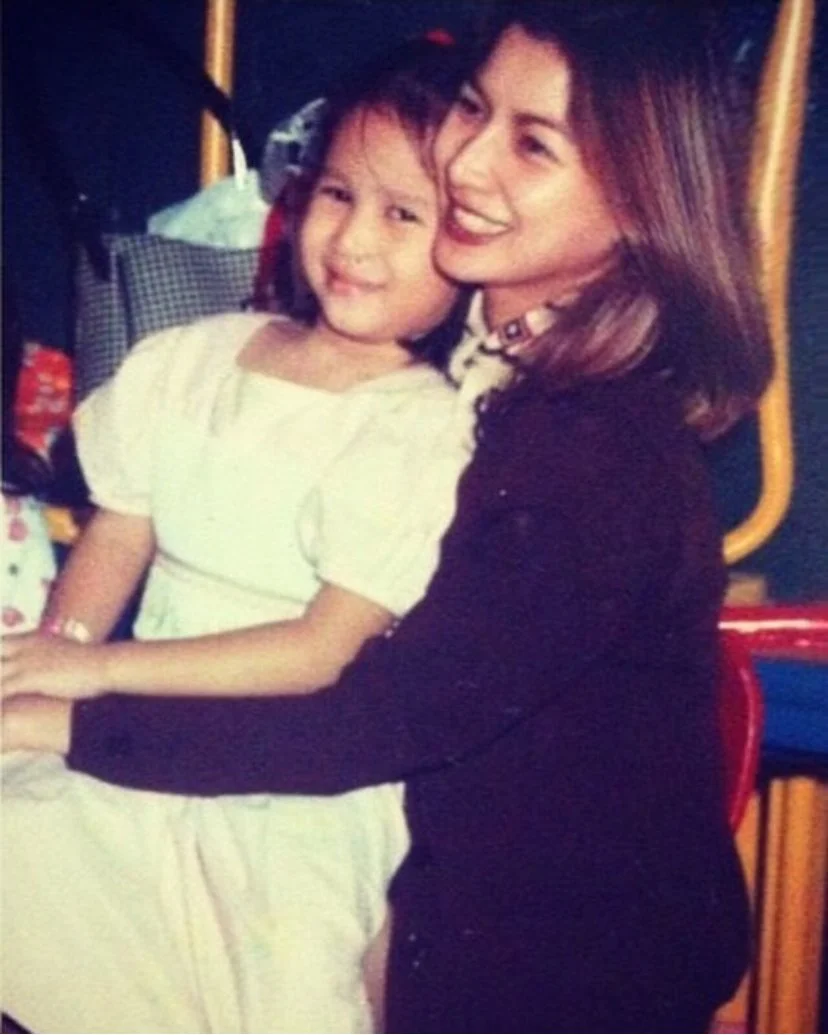
Her face was familiar and new all at once. Our reunion wasn’t tidy — it was heartbreaking. Pride, grief — years of it — sat between us. That day reshaped how I understand distance, longing, and repair.
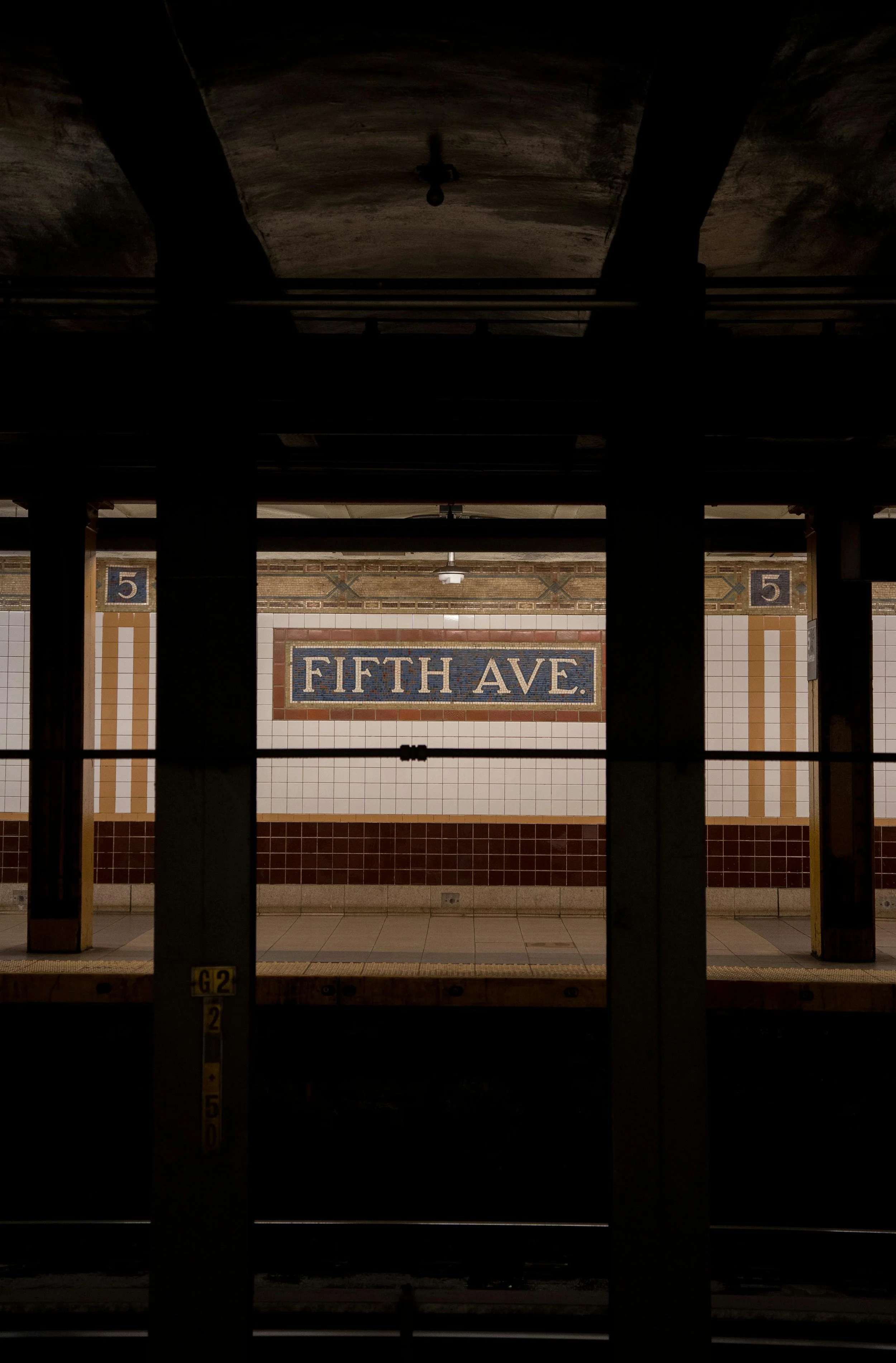
New York, Survival, and Becoming Who I Needed to Be
New York became its own kind of apprenticeship.
I went there to continue the work — but with immigration, survival came first. I took whatever jobs I could find, one after another. I started as a caregiver, then found my way into bartending, and eventually serving. Each role asked something different of me — patience, presence, intuition, endurance.
While caregiving, I spent my afternoons with two older women — one with Alzheimer’s, and another in her nineties who told me the secret to her long marriage: show up for the other, every day. Her husband had long passed, yet the devotion in her voice stayed with me. At the time, that kind of steady love felt almost foreign — but it planted something I didn’t yet have language for.
Even with a big house with my mom in Jersey, I chose to live in a cramped apartment in the city with three roommates. I wanted to make it in New York — to find my footing there, to belong to it. Later, when I finally had my own space, I still found myself sharing apartments with one roommate after another. Those years taught me how to live close to people, how to adapt, and how to create steadiness even when everything around me was temporary.
I learned to read people in real time while navigating the uncertainty of visas and hoping that permanent residency would one day come. I barely sat down. I ate standing up. I learned to move quickly, listen closely, and stay present with people from every corner of the world.
I also learned humility — the kind that comes from serving, from witnessing people’s stories up close, from realizing that everyone is carrying something they rarely say out loud.
Through all of it, I never lost sight of the path I was on. Every job sharpened my intuition. Every shift deepened my empathy. Every day stretched my capacity to stay attuned.
A Steadier Rhythm
Meeting my husband brought a steadiness I’d been learning to create in myself.
The pace that once felt frantic began to soften, and the path I’d set aside came back into view. Together, we made room for a quieter rhythm — one where I could finally breathe, listen, and return to the work I had always meant to do.
A born New Yorker with kind eyes and a disarming honesty, he grew up between continents and complicated parents — a volatile mother, a father caught in his own pain, a younger sister he protected and still shows up for. That history didn’t harden him; it made him open. He learned early how to feel everything without losing himself, and he carries that same openness into our life together.
I was drawn to that — to his heart, his instinct to care, and the way he names what’s true even when it costs him something, the way he shows up when it would be easier to pull back.
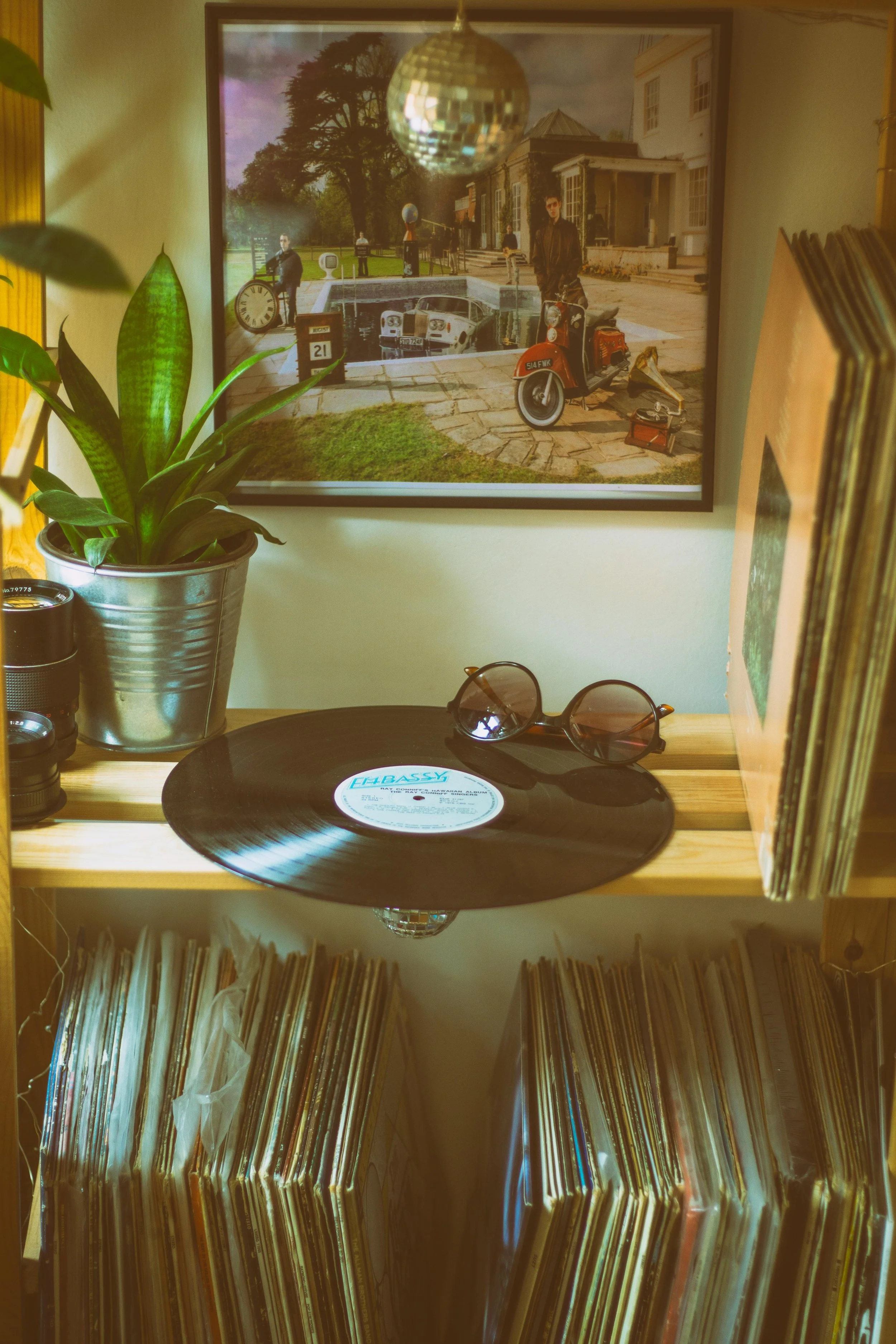
We share a love of music — our evenings often begin with a record spinning, the familiar crackle of vinyl filling the space between us. His collection is vast — soulful, strange, tender in places — and it’s become the soundtrack of our quiet rhythm together. Loving him has taught me that repair is a daily practice, not a perfect one — the same kind of steady, honest work I guide couples through in the room. Those moments remind me that connection doesn’t need grand gestures — just attention, tempo, and a willingness to keep listening.
The Calling Was Always There

People came to me long before I had a degree — friends, family, coworkers, strangers in passing. Listening was instinctive. Making sense of emotion came naturally. My path wasn’t unclear; it just needed the right moment.
When the world slowed, I did too.
I returned to graduate school to pursue my MFT, ready to integrate everything I’d lived — art, survival, caregiving, presence, and the deep study of how people love and repair.
Slowing Down, Coming Home to Myself
Moving to California gave me room.
Room to breathe after years of urgency.
Room to cook again, reflect again, reconnect with myself again.
Reclaiming that part of me became a reminder:
nourishment — like love — only grows with presence.
I’ve always been a Renaissance woman, blending art, psychology, performance, and observation. Every part of my story — the privilege, the humility, the detours, the reinventions — lives inside the way I sit with couples today.
Seeing What Shapes Us Beneath the Surface
As I continued the work, I began to understand how culture, privilege, and power quietly shape the way we love — not just out in the world, but inside our own homes.
We don’t enter relationships as blank slates. We bring the families we came from, the hierarchies we learned to navigate, the stories we were taught about worth, voice, gender, class, and who is allowed to take up space.
These forces shape the balance between partners even when love runs deep.
When those imbalances stay invisible, they repeat themselves. But when they’re named — when what was quiet finally comes into view — something shifts. Love starts making room for truth. Fairness becomes possible. Real intimacy isn’t about sameness; it’s about both people having room to matter, to be heard, and to let each other’s truth reach them.