
Accepting new couples · Limited openings · Online across California
〰️
Accepting new couples · Limited openings · Online across California 〰️
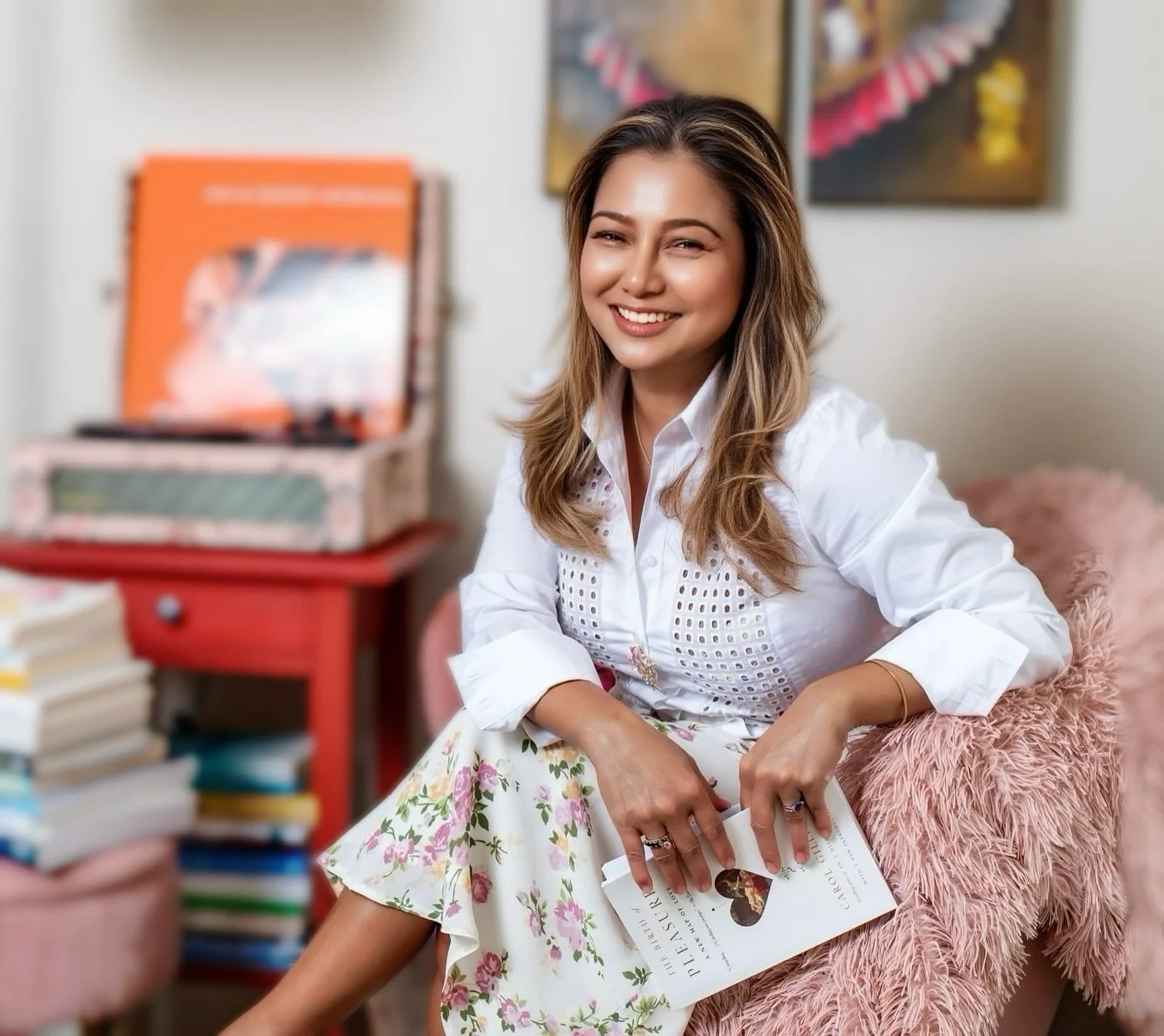
A space for
both of you to
be heard.
WHERE HONESTY MEETS EMPATHY — AND REPAIR BEGINS
In-Person in Santa Monica,
Online across California
Hi, I’m Isabella Alonzo-Gatti.
Licensed Marriage and Family Therapist
I specialize in helping couples move through cycles of conflict, distance, or broken trust—
and into repair.
Where understanding softens blame,
and safety can return.
Because real change starts when both of you feel heard.
Love isn’t about winning or losing
—it’s about feeling safe together.
Here’s the bottom line:
When a simple question — about the dishes, or how you spend money—spirals into silence or another round of blame, it’s no wonder it feels like you’re on opposing teams. Love isn’t supposed to mean walking on eggshells or keeping score. Real intimacy comes from openness, repair, and choosing each other again and again, even when it’s hard.
I’ve seen it — and lived it — enough to know that even the deepest wounds can heal when both partners are willing to do the work.
A trauma-focused, trauma-informed, deeply human approach to rebuilding trust &connection.
How we’ll work together
Relationships aren’t always 50/50.
In our sessions, my role isn’t to referee or decide who’s right, but to actively support the health of the relationship. I work relationally—helping both of you feel understood while also naming patterns that create harm or distance. Being trauma-informed means I pay close attention to how past experiences, culture, privilege, and power shape the way you relate today. Being trauma-focused means we’ll also work with those experiences directly, helping safety return to your body and your relationship.
Together, we’ll notice the stories and patterns you each carry—from your upbringing, your identities, and the relationships that came before. By bringing those influences into view, we make space for both of you to feel seen, heard, and understood.
When what’s been invisible becomes visible, healing begins. Your relationship starts to move toward safety, honesty, and deeper connection—the kind that grows when both people are willing to look honestly at their own role and take responsibility for the ways they’ve impacted the relationship.

Therapy with me is…
-
Whether you’re newly together or decades in, rebuilding after a rupture, navigating a blended family, or in a non-traditional or LGBTQ+ partnership — you’re welcome here.
No relationship exists in isolation. Every couple is shaped by the history, identities, family patterns, and pressures they carry. Our work starts from that truth: you’re not “the problem” — the system you’ve been surviving in deserves to be understood.
You don’t have to figure it out alone. We do this work together — side by side.
-
We won’t just analyze what’s going wrong — we’ll practice new ways of connecting in the moment. When you start slipping into the same argument about who’s to blame, or shutting down instead of speaking up, I’ll help you slow down and notice what’s happening inside.
I’ll point out these moments in real time so you can see the cycle more clearly — then we’ll practice a different way of responding, together. The goal isn’t just to understand why things happen, but to leave with a blueprint for how to stay connected when they do.
-
I’ll always meet you with compassion for what you’ve been through — but I’ll also be honest about the ways you shut each other out. If I notice you brushing off your partner’s feelings, deflecting with blame, or avoiding the hard conversations altogether, I’ll call it out. Not to shame you, but to show there are more constructive ways to respond.
You’ll feel supported, and you’ll also be challenged to expand your perspective and grow. It may feel uncomfortable at first, but that balance of care and truth is what makes lasting change possible.
-
I won’t sit back and let you go in circles— if you could have solved this without input, you already would have. I’ve done this same work in my own life, and I know how hard it is to talk to a stranger about your most private issues. That’s why I show up as a real person in the room, willing to get into the mess with you instead of pretending to be detached.
I see us as equals. I won’t hand down advice from above; I’ll walk beside you as you do the deeply human work of learning to love each other better.

The Heart Behind
the Work
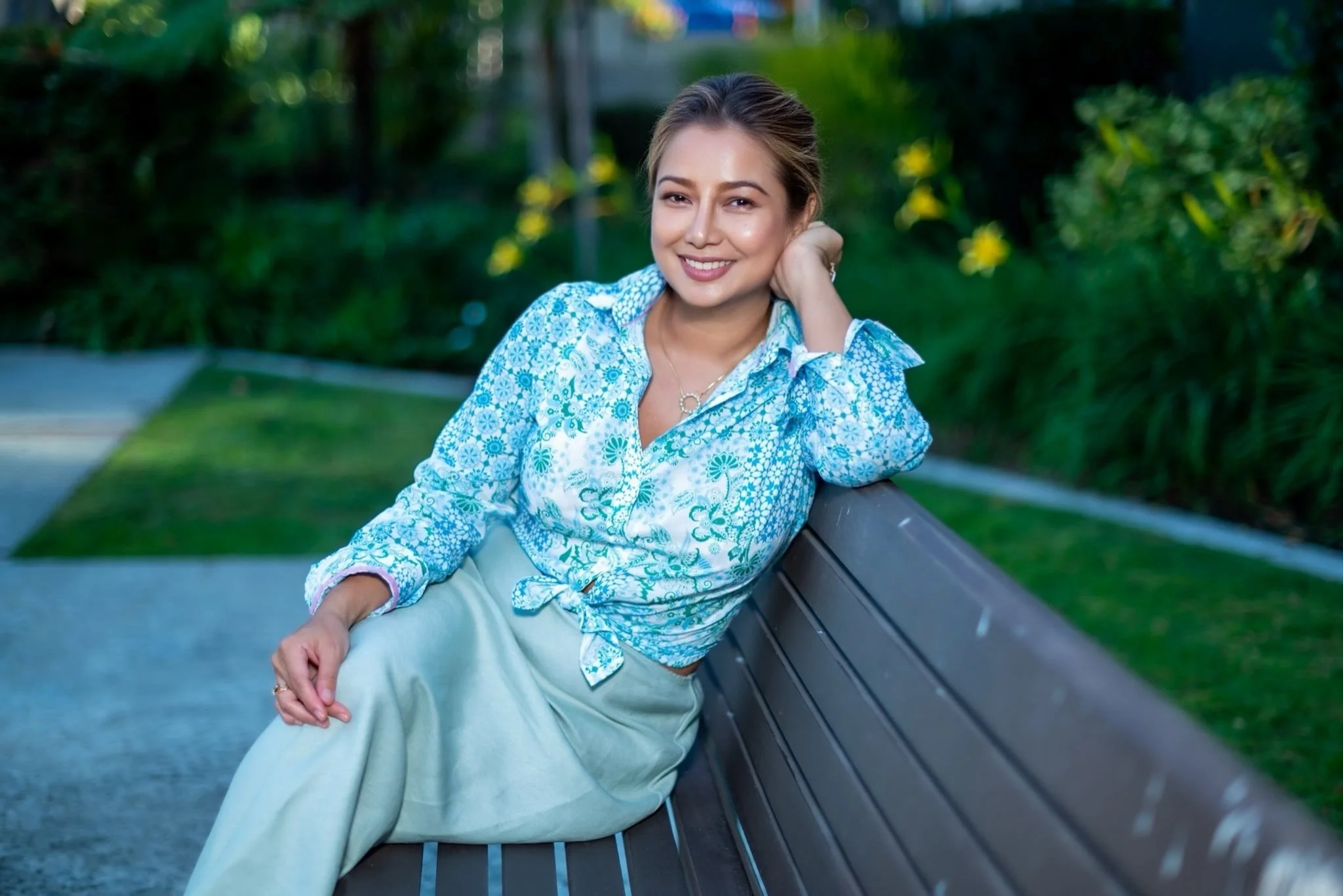
Where the personal meets the professional
I didn’t come into this work by accident. Long before I had language for it, I was paying attention to what happens between people — how we reach, how we miss, how we protect ourselves, and how we try again.
Listening came early, shaped by learning to read the room and sense what wasn’t being said.
Music was my first teacher in presence — in rhythm, timing, and the emotional truth that lives in pauses. That sensitivity to pace and tone still guides how I sit with couples: attuned to what’s happening beneath the words, and careful not to rush what needs time.
Today, that way of listening shapes my work with couples who are trying to find their way back to each other. I help slow things down, soften blame, and create enough safety for honest connection to take root again.
The Work I Do Now
These days, my work lives where stories meet real connection.
I sit with couples who are trying to find their way back to each other — slowing down the moments that keep them apart, listening for what’s said and what’s felt, and finding new ways to reach that feel steady and true.
Every moment — especially the hard ones — is a chance to love better.
The story continues — in the lessons that shaped how I work.
-
I used to think love meant holding everything together.
But life — and the people I’ve loved — taught me something far more true:
love grows when both people have room to matter.Healing doesn’t happen in isolation.
It happens in the space between two people — in the moments when we’re willing to be honest, to be seen, and to stay with each other long enough for something new to take shape. -
I started noticing that our relationships are shaped long before we ever say “I love you.”
Before I became a couples therapist, I spent years studying how people protect themselves after rupture — how shame, longing, and unspoken stories shape the way we reach, retreat, or defend. Working with families across cultures taught me that every relationship holds quiet layers: history, identity, power, and the messages we learned long before we met our partner.
When those layers are named, something shifts — the fight becomes clearer, softer, and finally honest.
The stories we carry aren’t fixed.
They can be understood, untangled, and rewritten. -
Repair is never quick — it’s honest, human, and built from small moments of truth.
For years, I worked as a counseling psychologist and ran my own play therapy clinic, Kid Whisperer, helping children heal through imagination, safety, and connection. I spent over a decade studying betrayal, resilience, and the emotional layers people rarely speak aloud.
What all those stories showed me is simple: trust rebuilds slowly — but when it returns, it changes everything.
-
Much of what I’ve learned from my clients keeps shaping me — in how I love, how I stay open, how I repair.
The work I do in the therapy room mirrors the work I do at home: staying present, softening when shutting down would be easier, and finding my way back when connection frays. My work is to help you stay present with what matters, long enough to meet each other again.
Because love only works when both voices matter.

Education & Credentials
The real learning happens in the therapy room — where real lives unfold.
-
• Licensed Marriage and Family Therapist — LMFT #156415 (California)
• Master of Arts in Marital and Family Therapy — Alliant International University, California School of Professional Psychology
• Doctoral Coursework and Clinical Training in Counseling Psychology (ABD) — De La Salle University, Manila
• Master of Arts in Psychology (emphasis in Psychological Services) — Assumption Graduate School, Manila
• Bachelor of Science in Psychology — Assumption College, Manila
-
Couples, Attachment & Relational Work
Emotionally Focused Therapy (EFT): Externship, Core Skills & Supervision
Relational Life Therapy (RLT): Therapist Certification (in progress)
Gottman Method Couples Therapy: Levels 1 & 2
Integrative Sex & Couples Therapy
Advanced training in affair recovery, betrayal trauma, and attachment injury repair, including:
Attachment Injury Repair Model (AIRM) (EFT)
Treating Affairs & Trauma (Gottman Method)
Working with Infidelity (Relational Life Therapy)
RLT Couples Intensives
High-Conflict Relationships
Trauma, Attachment & Relational Healing
Eye Movement Desensitization and Reprocessing (EMDR)
Attachment-Focused EMDR (AF-EMDR)
Internal Family Systems (IFS)
Trauma & Community Resiliency Models (TRM & CRM)
Trauma-informed, mindfulness-based, and attachment-oriented approaches to healing
Earlier Clinical Training
Child-Centered Play Therapy (CCPT)
Parent-Child Interaction Therapy (PCIT)
Clinical training across child, family, community mental health, and hospital settings
-
United States
• Ossi Pace & Associates — Reviving Relationships — Couples & Family Therapy
• Trauma Resolution Therapy Group — Trauma-Informed Psychotherapy
• Southern California Counseling Center — Couples & Family TherapyPhilippines
• Kid Whisperer Psychological Services (Private Practice) — Founder, Counseling Psychology
• Behavioral Research & Psychological Services (BEREPS)
• Women’s Crisis Center (WCC)
• PsychConsult / Psychological Services Group
• Philippine General Hospital, Department of Psychiatry
• National Center for Mental Health
• Haven for Women
• Nayon ng Kabataan
• Department of Social Welfare & Development
Clinical Teaching, Supervision & Assessment
• Graduate-level teaching & clinical supervision — De La Salle University
• Comprehensive psychological and forensic assessment, including testing, clinical interviews, case analysis, and report writing across hospital, community, crisis-response, and private practice settings
• Founder & Director, Kid Whisperer Psychological Services (play therapy & child-focused psychological services) -
• California Association of Marriage and Family Therapists (CAMFT)
• International Centre for Excellence in Emotionally Focused Therapy (ICEEFT)
• EFT Center of Los Angeles
• EMDR International Association (EMDRIA)
• IFS Institute Circle
• Relational Life Institute
• The Gottman Institute
• American Association of Couples and Sex Therapists (AACAST) -
Books
Sex, Lies & Simple Truths: Understanding Filipino Women in Challenged Relationships — Contributing Author (2006)
Research
The Aftermath of Infidelity: A Grounded Theory Approach — Doctoral dissertation research (2007)
The Psycho-Social Profile of the Other Woman — Master's subsidiary study (1999)
A Discourse Analysis of Five In-Depth Case Studies of the Other Woman — Master's thesis (1998)
The Impact of Feminist Counseling on Self-Concept & Empowerment of Women — Undergraduate thesis (1996)
Publications & Speaking Engagements
What Migration Teaches Us About Love — In The Mix Magazine (2026)
The Psycho-Social Profile of the Other Woman — Presenter, Afro-Asian Psychological Association Annual Convention and Psychological Association of the Philippines Annual Convention (1998). Research was subsequently featured in the Philippine Daily Inquirer and other leading national newspapers and magazines.
Current Practices of Counseling Supervision in the Basic Education Levels Among Ten Private Schools in Metro Manila — Manuscript author (2005)
Current Practices of Counseling Supervision in Various Settings — Conference presenter, Philippine Association for Counselor Education (2005)
These early years in research, writing, and public scholarship deepened my understanding of relationships, attachment, trauma, and the complexities of human connection. They continue to shape the curiosity, compassion, and grounded perspective I bring to my work with couples today.