Why Fighting Feels Safer Than Repair
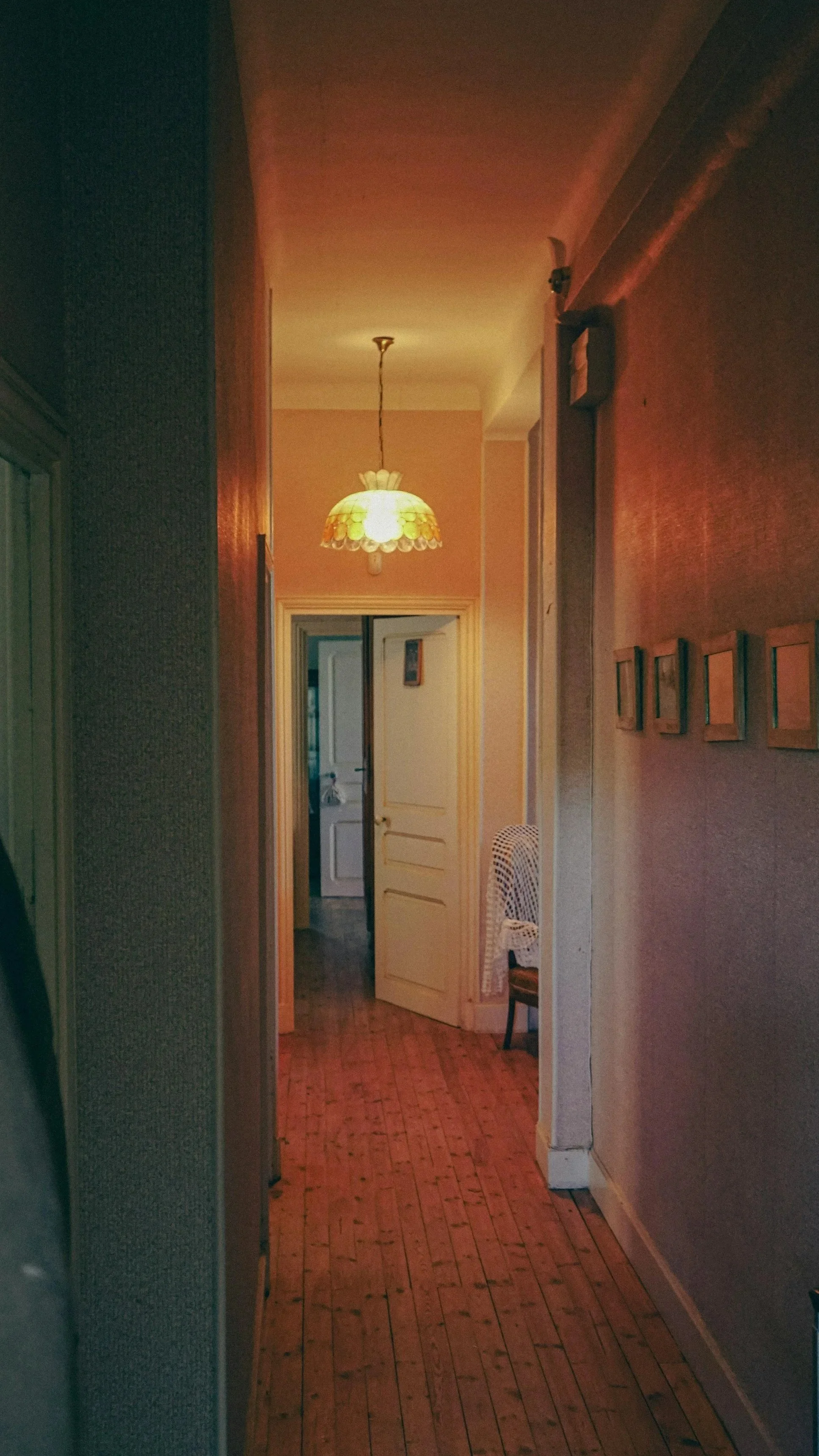
The space where nothing is said—but everything is felt.
Some couples don’t stay stuck because they don’t know how to repair.
They stay stuck because fighting feels safer.
Fighting is familiar.
It has momentum.
It keeps things moving.
When you’re fighting, you know where you stand. You know the roles. You know how the conversation usually goes—even if you hate how it ends. There’s a strange kind of comfort in that. At least something is happening. At least you’re not in the dark.
Repair is different.
Repair asks you to slow down.
It asks you to soften.
And it asks you to do that without knowing what will happen next.
That’s where many couples freeze.
Because underneath the arguments, the complaints, the looping conversations, there’s often a much riskier question waiting to be asked:
If I ask, will you still be there?
That question carries a lot more exposure than anger ever does.
Why fighting can feel safer
For a lot of people, fighting isn’t about wanting conflict.
It’s about staying connected in the only way that still feels possible.
When you’re arguing or complaining, at least you’re engaged with each other. You’re in contact. You can feel the other person’s presence, even if it’s tense or painful. There’s movement. There’s energy. There’s proof that the relationship is still alive.
Fighting can also protect you from having to say what you really want.
Because saying what you want means admitting it matters.
And admitting it matters opens the door to disappointment.
So instead of reaching, many couples push.
Instead of asking, they criticize.
Instead of risking a softer moment, they stay armored.
Not because they don’t care—but because caring feels dangerous.
Why repair feels harder
Repair doesn’t come with a script.
There’s no guarantee that if you soften, the other person will meet you there. No promise that vulnerability will be handled gently. No protection against silence, defensiveness, or misunderstanding.
Repair asks you to lower your guard before you know if it’s safe.
And if you’ve been hurt before—by this partner or anyone else—that can feel like too much to ask.
Not because you don’t want closeness.
But because closeness without safety can feel overwhelming.
So your body chooses what it knows.
It chooses the argument.
It chooses the familiar loop.
Why complaining feels safer than asking
This is often where couples get told they have “communication problems.”
But what’s usually happening is simpler—and more human.
Complaining keeps you protected.
Asking makes you vulnerable.
A complaint has an edge to it. It keeps you defended.
A request exposes need.
To ask is to say, This matters to me.
To complain is to avoid finding out whether the answer might be no.
So couples keep circling the same issues, not because they enjoy the conflict, but because asking directly feels like too much risk.
It’s safer to stay frustrated than to risk being disappointed.
When things get quieter—but not closer
Over time, some couples notice that the fighting dies down. Fewer blowups. Less intensity. And they assume this means they’re doing better.
But quiet doesn’t always mean safe.
Sometimes it just means both people have stopped reaching.
When repair feels too risky, relationships don’t always heal—they go still. Conversations get shorter. Expectations lower. The distance becomes easier to live with than the fear of trying again.
There’s less conflict, but there’s also less contact.
A different way to understand being “stuck”
If fighting feels safer than repair in your relationship, it doesn’t mean you’re failing.
It means something vulnerable is trying to happen—and you haven’t felt safe enough yet to let it.
Repair is hard not because you’re doing it wrong.
It’s hard because it asks you to risk what fighting has been protecting you from.
That’s not a flaw.
It’s a survival strategy.
And it makes sense—even if it’s costing you more than you want to admit.
Ready to talk?
If fighting has become the safest way to stay connected—or repair feels harder than conflict—couples therapy can help slow the cycle down and create space for something different.